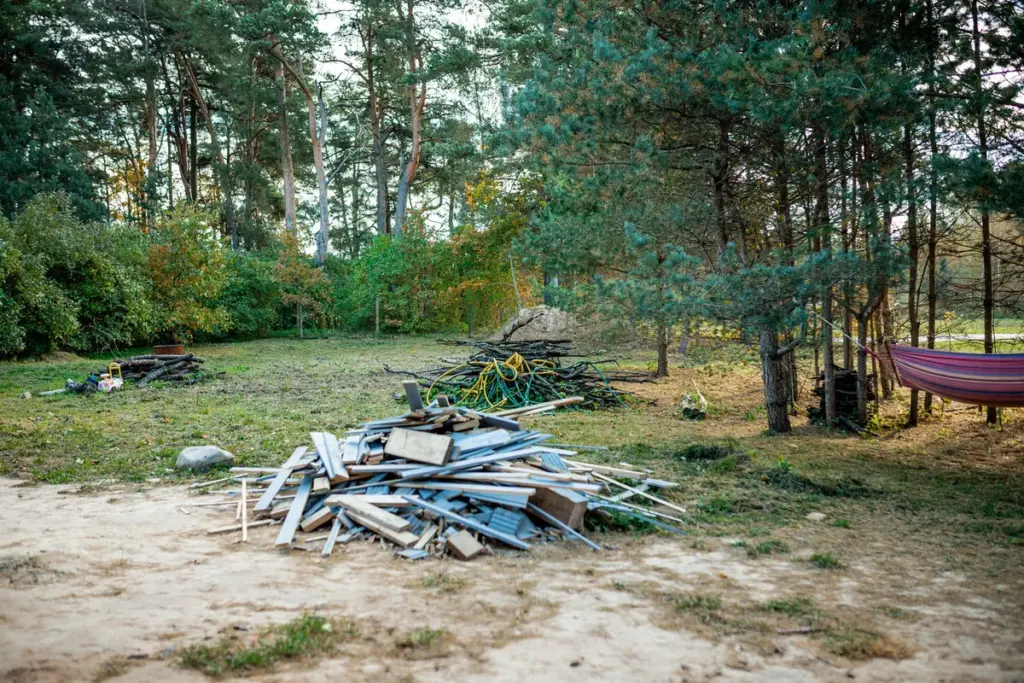
Spring cleaning hit differently this year. Maybe a storm rolled through and left a trail of broken branches, old fence panels, and mystery junk piled up against your garage wall. Or maybe the backyard has just been the place where things go to die, old furniture, rusted tools, a grill that hasn’t worked since 2019. Whatever the situation, once you decide it’s time to tackle backyard debris removal in NYCthe first question most people ask is a simple one: how much is this going to cost me? The honest answer is that it depends on more factors than most people expect, and understanding those factors ahead of time can save you from a nasty surprise on the day of the job.
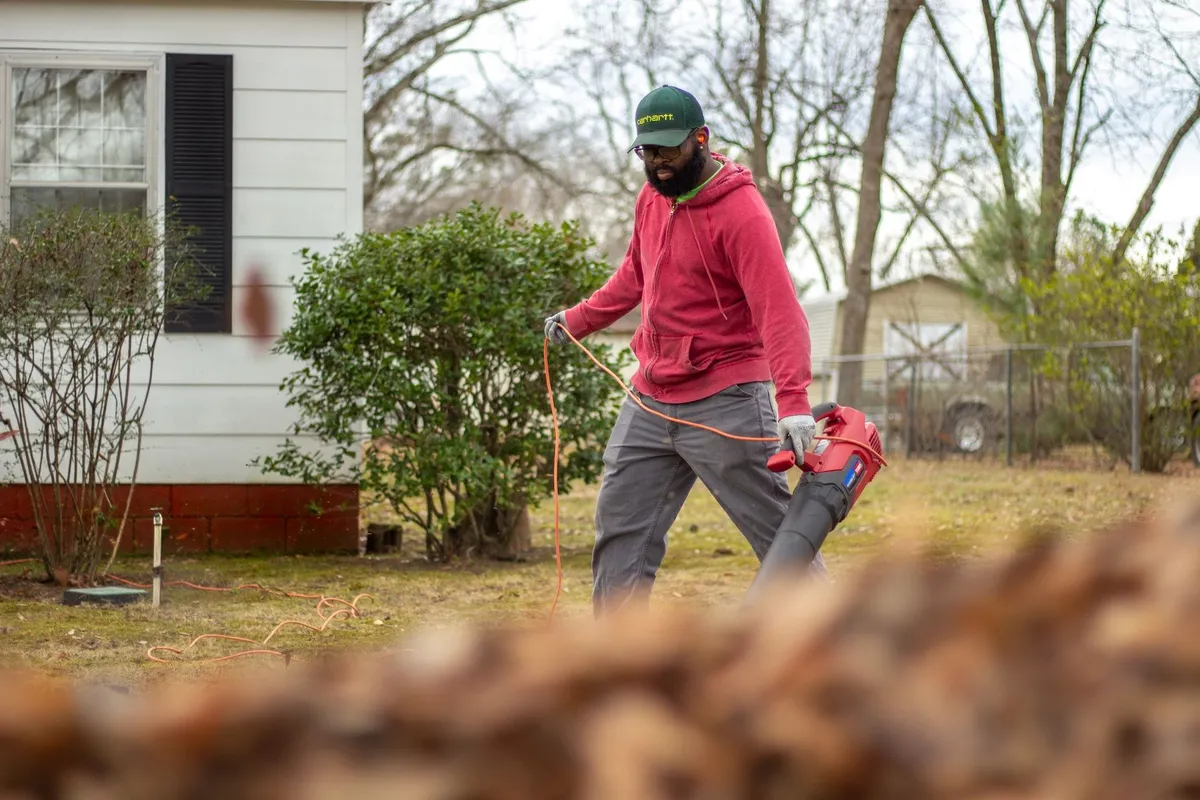
Size Isn’t Everything, But It’s a Big Part of the Equation
The volume of what needs to go is usually the starting point for any estimate. Most professional junk removal crews price jobs based on how much space your stuff takes up in their truck. A quarter-load is going to run you significantly less than a full truck, and that math is pretty straightforward.
What trips people up is underestimating their own pile. A backyard that looks manageable from the back door often tells a very different story once you start pulling things out. That “small” stack of wood turns into three truckloads of rotting lumber. The corner you’ve been ignoring for two years is hiding a broken wheelbarrow, two bags of hardened concrete mix, and a tarp that’s fused itself to the ground.
Before you call for an estimate, do a quick walk-through and try to mentally categorize what’s there. Separate the light stuff, cardboard, garden waste, general clutter, from the heavy or bulky items. That distinction matters more than most people realize.
Heavy Items Change the Math Entirely
Weight is where pricing can jump fast. Concrete chunks, bricks, soil, and stone are dense, and hauling them requires more labor, more fuel, and sometimes different disposal arrangements. The same goes for old appliances, a chest freezer sitting in your backyard isn’t just bulky, it often requires special handling due to refrigerants and other materials that can’t go to a regular landfill.
Old sheds are another category worth flagging. A lot of homeowners don’t realize that shed removal is its own specialty. Breaking down a structure, hauling the pieces, and disposing of them properly takes more time and crew than clearing a pile of garden waste. If you’ve got a shed that needs to come down, it’s worth reading up on what shed and swing set removal actually involves in NYC before you budget for the job, there are more moving parts than most people expect.
Hazardous materials are a separate conversation entirely. Old paint cans, pesticides, treated wood, and anything that looks like it came from before the 1980s may require special disposal. A reputable crew will flag these items and either handle them through the right channels or advise you on how to do so. Don’t assume everything can just go in the truck.

Where You Live in NYC Affects the Price More Than You’d Think
New York City is not one uniform place, and neither are its backyards. A property in Staten Island with a wide driveway and easy truck access is a completely different job than a brownstone in Brooklyn where the crew has to carry everything through a narrow alley and up a flight of stairs before they even reach the street.
Access is one of the biggest hidden cost factors in this city. If a truck can’t park close to your property, the crew is doing extra labor, and that extra labor gets reflected in the price. Permit requirements for parking, tight residential streets, and building restrictions all add complexity that wouldn’t exist in a suburb. It’s one of the reasons neighborhood-specific challenges affect backyard cleanup costs and logistics in ways that catch people off guard.
Experienced local crews, the kind that have been working across all five boroughs for years, already know these dynamics. They factor it in upfront rather than hitting you with add-ons after the job is done. That local knowledge is genuinely worth paying for.
What You Can Do Before the Crew Arrives to Keep Costs Down
You don’t need to do the heavy lifting yourself, but a little prep goes a long way toward keeping your bill reasonable. Start by separating anything that can be donated or recycled from what actually needs to be hauled. Fewer items in the truck means a lower price, it’s that simple.
If you have items that are clearly trash versus items that might still have value, sort them. Some crews will actually reduce the cost if certain materials can be recycled or donated rather than dumped. It’s worth asking about that when you call for an estimate.
Also, clear a path. If the crew can walk straight to the pile and straight back to the truck without navigating around obstacles, the job moves faster. Faster jobs cost less. It sounds obvious, but it makes a real difference on the day.
One thing customers who’ve worked with professional backyard cleanup services in NYC consistently mention is how much smoother the process goes when they’ve done even minimal prep. It’s not about doing the crew’s job for them, it’s about making the whole thing efficient so nobody’s time gets wasted.
At the end of the day, the best way to get an accurate number is to get eyes on the job. Most reputable companies will give you a firm quote before any work begins, so you know exactly what you’re committing to. No surprises, no vague estimates that balloon once the truck is in your driveway. Ask for that upfront, and you’ll be in a much better position to plan, and to finally reclaim that backyard.
Frequently Asked Questions
Why does my backyard pile always seem bigger once the crew actually starts pulling things out?
It happens on almost every job, what looks like a manageable stack from the back door turns into rotting lumber, buried tools, and tarps fused to the ground once someone starts moving things. The article specifically calls this out because underestimating your own pile is one of the most common reasons people are caught off guard by the final price. Do a proper walk-through before you call for an estimate, and physically move a few things to see what’s hiding underneath.
Does it cost more to haul concrete, bricks, or old soil than regular yard clutter?
Yes, significantly, dense materials like concrete chunks, bricks, and soil require more labor, more fuel, and sometimes different disposal arrangements than light debris like cardboard or garden waste. That’s why the article separates “heavy or bulky” items into their own pricing category rather than lumping everything together by volume. If you’ve got a pile that’s mostly heavy material, expect the estimate to reflect that even if the pile doesn’t look that large.
I have an old chest freezer sitting in my backyard, can that just go in the truck with everything else?
Not always. Appliances like chest freezers often contain refrigerants and other materials that can’t go to a regular landfill, so they require special handling. A reputable crew will flag this before the job starts rather than discovering it mid-haul, which is exactly why the article warns against assuming everything can just be tossed in the truck together.
Why would my neighbor in Staten Island pay less for the same amount of junk than someone doing the same job in Brooklyn?
Access is the main reason, a property with a wide driveway where a truck can park right next to the pile is a completely different job than a Brooklyn brownstone where the crew has to carry everything through a narrow alley and up a flight of stairs. Permit requirements for street parking, tight residential blocks, and building restrictions all add labor and complexity that get reflected in the price. It’s one of the reasons the article specifically calls out neighborhood-specific challenges as a hidden cost factor in NYC.
Is there anything I can actually do before the crew shows up to bring the cost down?
A few things make a real difference: separate items that can be donated or recycled from what actually needs to be hauled, since fewer items in the truck means a lower price. Also clear a path so the crew can walk straight to the pile and straight back to the truck without navigating around obstacles, faster jobs cost less. It’s worth asking the company directly whether they’ll reduce the cost if certain materials can be recycled or donated rather than dumped, because some crews will.
🎧 Listen to this as a podcast
Also on Apple Podcasts, Spotify, and Amazon Music.