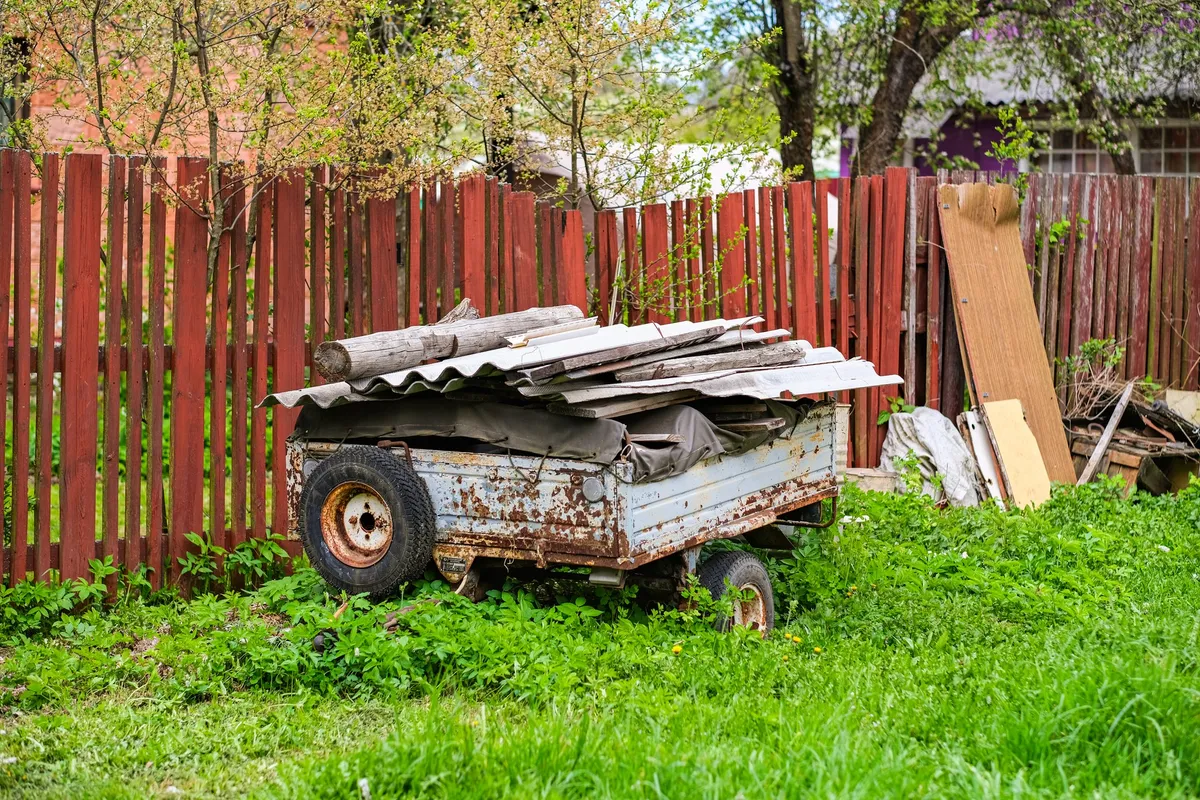
Every spring and fall, New Yorkers make the same call, time to finally deal with the backyard. Whether it’s a postage-stamp patio in Queens or a sprawling Staten Island yard that’s been collecting junk for three seasons, the process of hiring backyard cleanup services in NYC should be straightforward. But it rarely is. People rush in, skip important steps, and end up spending more money, more time, and more frustration than they ever planned for. Here’s what actually goes wrong, and how to avoid it.
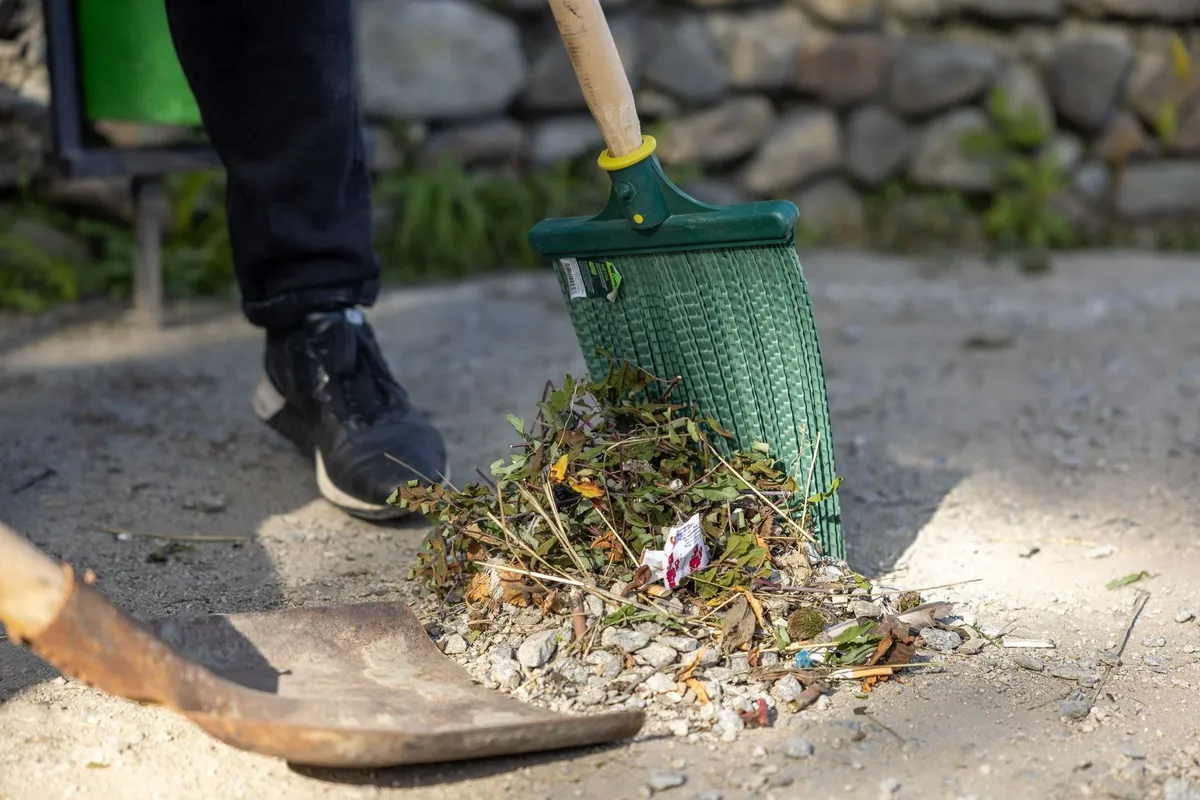
Treating It Like a One-Person Weekend Project
This is probably the most common mistake, and it costs people dearly. A backyard that looks manageable from the back door is almost always more work than it appears. Old patio furniture, rotting lumber, broken concrete, overgrown debris piled against fences, it adds up fast. And in New York City, you can’t just drag it to the curb and call it done. The city has specific bulk disposal rules, and violations carry real fines.
People underestimate the physical toll, too. Hauling heavy items across a yard, loading them into a rented truck, then driving to a disposal facility, that’s a full day of hard labor before you’ve even touched the cleanup itself. A professional crew handles all of that in a fraction of the time, with the right equipment and the proper disposal knowledge. If you’ve ever gone the DIY route and regretted it, you’re not alone, it’s one of the most common themes among customers who eventually call in the pros. For a deeper look at why going it alone often backfires, this breakdown of DIY backyard disasters is worth a read before you grab that wheelbarrow.
Not Knowing What You’re Actually Dealing With
Before anyone touches a pile of old debris, it’s worth slowing down and taking stock of what’s actually in the yard. Old sheds, swing sets, and fencing often contain materials that require special handling, treated wood, rusted metal, even remnants of old paint or chemicals. In older NYC properties especially, what looks like ordinary junk can sometimes be more complicated.
Skipping this step leads to two problems. First, you might accidentally toss something that has value, old cast iron furniture, vintage garden tools, and certain building materials can be donated or recycled rather than dumped. Second, you might handle something hazardous without realizing it. A good crew will assess the yard before pricing the job and flag anything that needs special attention. If your outdoor space includes a shed or old play equipment, the guide to shed and swing set removal in NYC covers the specific challenges involved in getting those structures out safely.
Getting a Vague Quote and Running With It
Price surprises are one of the biggest complaints people have after a yard cleanout goes sideways. A low number over the phone sounds great, until the crew shows up, sees the actual scope of the job, and the final bill looks nothing like the estimate. This happens when quotes are given without a proper walkthrough, or when customers aren’t clear about everything that needs to go.
Before you book anyone, be specific. Walk the yard and make a list. How many cubic yards of debris? Any large items like concrete slabs, old appliances, or furniture? Is there anything buried or hidden under overgrowth? A reputable company, like the team at Yard maintenance serviceswhich has handled yards across all five boroughs, will want to see the full picture before committing to a number. That transparency protects both sides. If a company gives you a firm price without asking any questions, that’s a red flag worth paying attention to.
It’s also worth understanding that neglecting a yard for too long drives costs up significantly. The longer debris sits, the more it compounds, weeds grow through it, wood rots and becomes harder to move, and pests move in. The hidden costs of putting off a yard cleanout are real, and they tend to grow quietly until the job is twice as expensive as it needed to be.
Forgetting That NYC Has Its Own Set of Rules
New York City is not like anywhere else when it comes to property maintenance and waste disposal. Access is tighter, neighbors are closer, and the city’s regulations around bulk waste, recycling, and construction debris are more detailed than most people realize. What’s perfectly legal to dump in a dumpster in New Jersey might require a licensed hauler with specific permits here.
Narrow side yards, low-hanging trees, shared fences, and limited street access all make the logistics of a yard cleanout more complicated than they’d be in the suburbs. A crew that works exclusively in the city knows how to handle these constraints without damaging property or running into permit issues. They’ve done it hundreds of times across Brooklyn, the Bronx, Queens, Manhattan, and Staten Island, and that experience matters more than people give it credit for.
The bottom line is simple: a backyard cleanout done right takes planning, honest communication, and the right team for the job. Skip any of those, and you’re setting yourself up for a headache. Get them right, and you’ll have a clean, usable outdoor space without the drama, which is really the whole point.
Frequently Asked Questions
What actually counts as bulk waste in NYC, and can I just leave it at the curb?
New York City has specific rules about what can be left at the curb for bulk pickup, and not everything qualifies, construction debris, certain appliances, and large volumes of yard waste often require a licensed hauler rather than a standard curbside pickup. Putting the wrong stuff out can result in real fines, not just a missed collection. If you’re not sure what’s allowed, a crew that works regularly in the five boroughs will know exactly what needs a permit and what can go curbside.
How do I know if anything in my yard is hazardous before the crew shows up?
Older NYC properties are the ones to watch, treated wood, rusted metal, and remnants of old paint or chemicals can all be hiding in what looks like an ordinary pile of junk. Old sheds and fencing are common spots where these materials turn up. A reputable crew will assess the yard before pricing the job and flag anything that needs special handling, so don’t try to sort through it yourself beforehand.
Why did the final bill end up so much higher than the phone quote I got?
This usually happens when the company gave you a number without doing a proper walkthrough, they didn’t see the full scope, and you may not have listed everything that needed to go. Concrete slabs, buried debris under overgrowth, and hidden appliances all add to the job in ways a phone call can’t capture. If a company gives you a firm price without asking any questions, that’s a red flag the article specifically calls out.
Is there anything in my yard worth donating or recycling before it all gets hauled away?
Yes, old cast iron furniture, vintage garden tools, and certain building materials can be donated or recycled rather than dumped, and a good crew will flag those items during their walkthrough. Tossing something with actual value is one of the two main problems that comes from skipping the assessment step. It’s worth doing a slow walk of the yard yourself beforehand and setting aside anything that looks like it might have a second life.
Does waiting another season to deal with the yard actually make the job more expensive?
It does, and the article is direct about this, the longer debris sits, the more it compounds. Weeds grow through piles, wood rots and gets heavier and harder to move, and pests move in, all of which drive up the labor and disposal costs. What might have been a straightforward job one fall can quietly turn into something twice as expensive by the following spring.
🎧 Listen to this as a podcast
Also on Apple Podcasts, Spotify, and Amazon Music.